腹 abdomen
フク・はら
- 月 flesh / body
- 复 FUKU
ORIGIN にくづき gives a body meaning; 复 gives a FUKU sound clue. 腹 is はら by itself, while お腹 is おなか.
Origin referenceJLPT N3 · BODY — NOT THE MOON
肉 began as a picture of a piece of flesh. In 腹 and 胸 it appears on the left in a form resembling 月, called にくづき. It has a different origin from the moon. Following the component’s meaning, not just its outline, helps you group body-related kanji.
Abdomen, chest, shoulders, back and arms: organize 月 as a map of the body.

フク・はら
ORIGIN にくづき gives a body meaning; 复 gives a FUKU sound clue. 腹 is はら by itself, while お腹 is おなか.
Origin referenceキョウ・むね
MEANING + SOUND 月 supplies flesh or body; 匈 contributes both chest and sound. Adding the flesh radical to the earlier 匈 made the body connection explicit. Compare 腹 and 胸 as two body locations sharing 月.
Origin referenceニク
ORIGIN 肉 began as a piece of flesh. Within other characters it often looks like 月. In 腹, 胸 and 腕, that shape connects to the body, not the moon in the sky.
Origin referenceイク・そだつ
ORIGIN The bottom is flesh; the upper shape derives from a child being born head first. Birth connects to growing and raising a child. The body component belongs to the family even when placed below.
Origin referenceケン・かた
ORIGIN The top, now resembling 戸, developed from a shoulder shape. 肉, written like 月, was added below. It is not “the body's door”; it combines the shoulder shape with a body marker.
Origin referenceハイ・せ・せい
MEANING + SOUND 北 has a historical connection with turning one's back and also contributes sound. Adding the flesh component gives the back of the body. This is not simply “the north of the body.”
Origin referenceノウ
MEANING + SOUND 月 supplies the body connection; the right side simplifies an older component associated with the head. Compare 脳 with 悩: similar right sides, but body and mind on the left lead to different meaning families.
Origin referenceワン・うで
MEANING + SOUND 月 identifies the body and 宛 supplies sound. 腕 is the arm that bends and moves the hand. Together with 腹, 胸 and 肩, it builds a body map using the same component.
Origin referenceHear FUKU in 空腹 (くうふく). 胸 is むね. Group them by the body component, then learn each word’s pronunciation.
Radical origin reference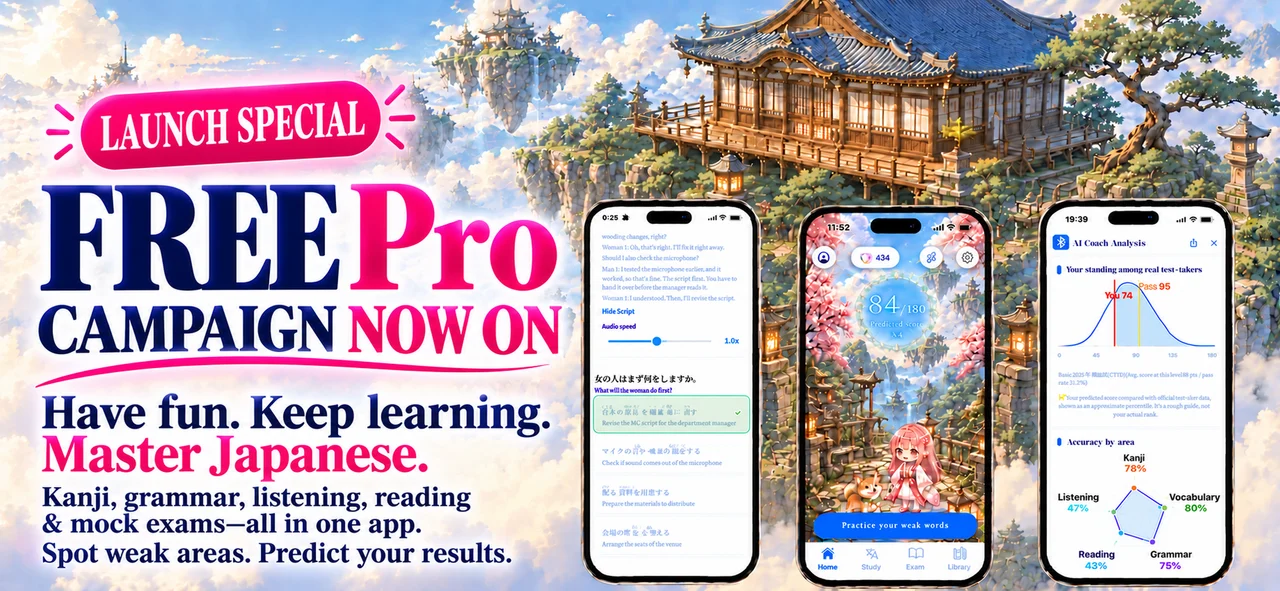
Launch special
Study kanji, vocabulary, grammar, listening, reading and mock exams in one app. Use Pro features for free during the campaign.
Available worldwide except Nepal. Regions and campaign details may change. Check the app for current availability.